Lucky Mom SVG Design: An Embroidery Review
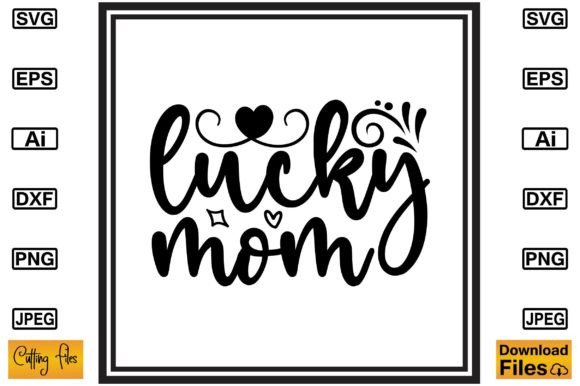
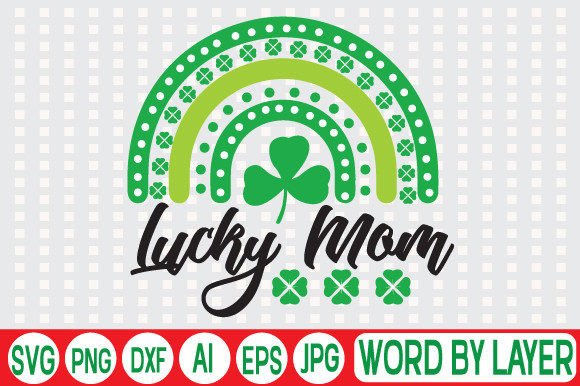
As a professional embroidery designer and product reviewer, I approach every new digital asset with a specific question: will this actually stitch out cleanly on real fabric? When evaluating the Lucky Mom Svg Design, my focus shifts immediately from screen aesthetics to needle performance. This design carries a sentimental weight that resonates deeply with mothers, but sentiment alone does not guarantee a successful machine embroidery design. The mood is undeniably warm and celebratory, evoking feelings of gratitude and maternal pride. Visually, it suggests a layout that balances typography with symbolic iconography, likely featuring clover or heart motifs associated with luck. However, as someone who manages commercial embroidery projects and creates personalized gifts for clients, I need to verify that the visual personality translates into a durable, high-quality finished product.
First Impressions and Digital Versatility
Upon opening the .zip file, the inclusion of both an AI source file and an SVG file indicates strong versatility for mixed-media creators. For those of us in the Crafts category who bridge the gap between digital design and physical production, having the Adobe Illustrator source is invaluable. It allows for precise adjustments before digitizing or cutting. As a Graphics asset, the lines appear clean, which is the first indicator of potential success in stitching. Jagged vector lines often result in jagged satin stitches, but this design presents smooth curves that should translate well to thread.
The "Word by Layer" structure mentioned in the product details is a significant advantage for apparel decorators. In my experience, layered files allow for better color management and separation during the digitizing process. If you are creating custom apparel where the text needs to contrast against a dark sweatshirt while the graphic elements remain vibrant, this layering saves hours of editing time. It also benefits Etsy sellers who create printable mockups; being able to isolate elements means you can showcase the design assets more effectively in your listings without needing complex photo editing software.
Real-World Application: The Custom Sweatshirt Test
To truly judge the Lucky Mom Svg Design, I mentally placed it in a real-life scenario: preparing a custom embroidered sweatshirt for a Mother’s Day boutique collection. Sweatshirts are a staple for small shop products, but they present unique challenges due to fleece texture and stretch. In this context, the design needs to be bold enough to stand out against the fabric texture without becoming so dense that it distorts the garment.
I envision this design working beautifully as a left-chest placement or a centered back piece. For a sweatshirt embroidery project, I would recommend utilizing a combination of fill stitch for larger graphic areas and a sturdy satin stitch for the lettering. The "Lucky Mom" theme demands legibility; if the customer cannot read the sentiment from a conversational distance, the emotional impact is lost. Because this is intended as a personalized gift or boutique item, the stitching clarity directly correlates to perceived value. A crisp, well-defined stitch-out builds customer trust and reinforces the professionalism of your handmade product line.
Furthermore, this design has strong potential for tote bag designs and aprons. These items are frequently washed and subjected to wear. The simplicity implied by the SVG format suggests it won't have excessive underlay that could make an apron stiff or uncomfortable. For craft business owners selling at markets, a tote bag featuring this design serves as both merchandise and a walking advertisement for your brand's aesthetic capabilities.
Navigating Fabric Limitations and Hoop Sizes
While the Lucky Mom Svg Design shows promise, experienced makers know that not all fabrics are created equal. Caution is required when applying this to thin, stretchy fabrics like lightweight jersey or performance knits. Without proper stabilizer, even the best vector art can cause puckering. I always advise testing on scrap fabric first, especially if you are adapting this SVG into an applique design. Applique can reduce stitch density significantly, making it safer for delicate baby embroidery projects or lightweight summer tops.
Hoop size is another critical consideration. While the SVG is scalable, embroidery physics are not. If you attempt to shrink this design down for a tiny baby bib or cap, fine details may get lost or turn into thread nests. Conversely, scaling it up too large for a standard hoop might require splitting the design, which introduces alignment risks. Always confirm your hoop size capabilities before committing to a production run. For curved surfaces like caps, ensure the design isn't too tall vertically; the "Lucky Mom" text might need to be arched or repositioned to accommodate the curve of the hat brim.
Dark fabrics also demand attention. If the design relies on light-colored threads for contrast, ensure your machine’s tension is dialed in to prevent bobbin thread from showing on top. I recommend running a black and white mockup test digitally to check contrast ratios before threading up colors. This step is crucial for maintaining brand consistency across different garment colors in your shop.
Commercial Viability and Professional Standards
For Etsy sellers and creative entrepreneurs, the commercial viability of a design hinges on its adaptability and licensing. Since the product description specifies a digital download only, you must verify the license terms regarding commercial use of finished products versus reselling the digital file itself. Assuming commercial rights for physical goods are granted, this design is a strong candidate for holiday embroidery collections and seasonal promotions.
The visual appeal of the Lucky Mom Svg Design supports higher price points when executed correctly. Buyers engage more readily with products that look professionally finished rather than hobbyist-grade. Using the provided AI file to tweak the design for specific niches—perhaps adding a year or a name for a personalized gift—adds exclusivity that justifies premium pricing. However, never skip the test stitch-out. Checking stitch density and thread color contrast on the actual fabric you intend to sell is non-negotiable. A design that looks perfect on screen but pulls the fabric on a tea towel will result in returns and negative reviews.
Designer Notes for Optimal Results
Before adding this to your next production queue, consider these practical steps derived from years of embroidery troubleshooting:
- Verify Compatibility: The download includes SVG and AI files. Ensure you have the correct software to convert these into a machine-readable embroidery file (like .PES, .DST, or .JEF) compatible with your specific machine.
- Stabilizer Selection: Match your stabilizer to the fabric weight. Use cut-away for stretchy knits and tear-away for stable wovens like canvas tote bags.
- Detail Inspection: Zoom in to 400% in your vector software to check for stray anchor points or open paths that could cause machine errors during digitization.
- Mockup Testing: Create printable mockups using the layered files to show customers how the design looks on different colored garments before you stitch a single sample.
- Wash Testing: If selling baby items or kitchen textiles, wash your test sample three times to ensure the stitch density holds up and the design doesn't distort.
The Lucky Mom Svg Design offers a heartfelt foundation for a wide range of creative projects, from nursery decor to commercial apparel. Its success, however, depends entirely on the maker's technical diligence. By respecting the interplay between digital vectors and physical thread, and by adhering to best practices for stabilization and testing, you can transform this digital asset into a cherished, high-quality embroidered product that delights mothers and strengthens your business reputation.