My Favorite Carpenter Calls Me Mom SVG Review
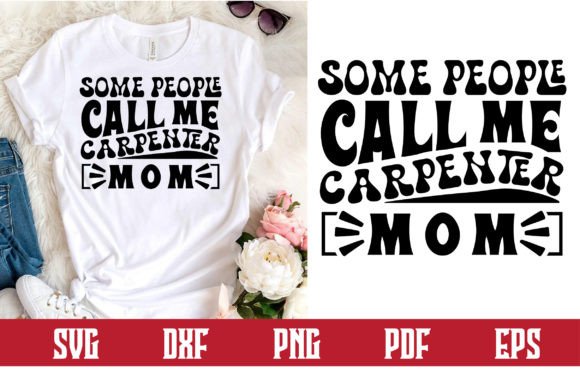
As a professional embroidery designer and product reviewer, I approach every new digital asset with a specific question: will this actually stitch out cleanly on real fabric? When evaluating the My Favorite Carpenter Calls Me Mom SVG, my assessment goes far beyond the screen. This design targets a very specific, high-value niche within the Crafts category, appealing to mothers of tradesmen, construction families, and proud parents looking for personalized apparel. From a technical Graphics perspective, the "word by layer" structure is the standout feature here, offering versatility that standard single-layer files simply cannot match for complex embroidery projects.
First Impressions and Design Versatility
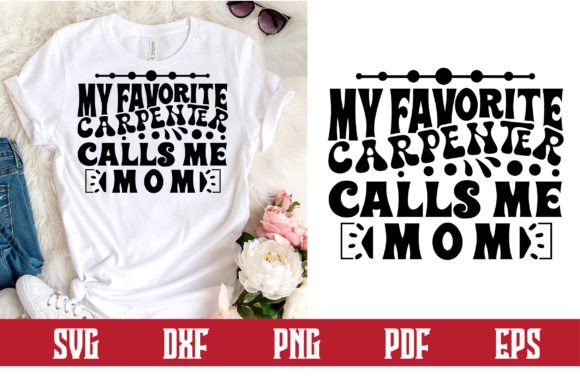
Upon opening the .zip file, the immediate advantage of having word-by-layer SVG files becomes apparent. For an embroidery digitizer or a crafter using cutting machines alongside their needlework, this separation is crucial. It allows you to isolate specific elements—perhaps stitching just "Carpenter" in a bold fill stitch while keeping "Mom" in a contrasting satin stitch. The visual personality of this design strikes a balance between rugged industrial aesthetics and sentimental warmth. It does not feel overly cutesy, which makes it appropriate for adult-sized custom apparel like sweatshirts and hoodies, yet it retains enough heart to work beautifully on nursery decor or baby embroidery items for a new grandchild.
The layout suggests a stacked or interlocking typography style common in modern handmade products. This structure is generally favorable for machine embroidery design because it creates a natural bounding box that fits well in standard hoop sizes. However, as with any text-heavy design, the success of the finished product relies entirely on how those layers interact when converted to stitches. The clean lines implied by the SVG format suggest that this will digitize well into either applique design formats or dense fill stitches, depending on your preference and the fabric texture you are working with.
Real-World Application: Stitching a Custom Sweatshirt
To truly evaluate this asset, I mentally walked through a recent client project involving a heavyweight cotton fleece sweatshirt intended as a holiday gift. The goal was to create a boutique-quality piece that looked professional, not homemade. Using the My Favorite Carpenter Calls Me Mom SVG as the base, the word-by-layer capability allowed me to assign different thread colors to each element without manual editing in vector software. I envisioned the word "Carpenter" in a safety orange or steel grey running stitch outline, contrasted against a warm cream fill stitch for "Mom."
In this scenario, the design serves as a centerpiece for Etsy sellers focusing on trade family merchandise. The emotional connection drives sales, but the execution drives repeat business. When stitching this on fleece, the separate layers help manage stitch density. If the entire phrase were one solid block, the fabric would pucker, and the garment would lose its drape. By treating words as individual components, you can introduce negative space or lighter running stitches between elements, reducing the overall stitch count and preserving the softness of the sweatshirt. This attention to technical detail transforms a simple digital download into a premium commercial embroidery product.
Technical Considerations for Fabric and Stabilizer
While the SVG provides the roadmap, the terrain of your chosen fabric dictates the journey. This design requires careful stabilizer selection, especially if you are adapting it for stretchy fabrics or textured materials like canvas tote bags. Because the design likely contains varying letter heights and potential decorative accents, a cut-away stabilizer is non-negotiable for knits to prevent distortion during the stitching process. For woven fabrics like tea towels or aprons, a tear-away might suffice, but always test first.
I must emphasize caution regarding small hoop sizes and tiny lettering. If you plan to resize this My Favorite Carpenter Calls Me Mom SVG down for a baby onesie or a cap, verify that the smallest text remains legible. In embroidery, reducing a design too much can cause satin stitches to become thin running stitches or disappear entirely. Conversely, enlarging it for a large pillow cover may require adjusting stitch density to avoid bulletproof stiffness. Always run a sew-out on scrap fabric that matches your final project's weight and weave. Check thread color contrast rigorously; what looks distinct on a backlit monitor may vanish on navy blue fabric. Use black and white mockups to test value contrast before threading your machine.
Elevating Product Value and Customer Trust
For creative entrepreneurs and small shop owners, the presentation of this design matters as much as the stitching. The layered nature of this file supports high-quality printable mockups, allowing you to show customers exactly how the personalized gift will look before production. This transparency builds buyer engagement and reduces return rates. When listing this as part of your craft business inventory, highlight the customization potential enabled by the separated layers. Customers appreciate knowing they can swap colors or omit words to fit their specific family dynamic.
Furthermore, professional presentation extends to the physical finish. A clean trim, proper hooping tension, and appropriate topping (like water-soluble stabilizer for textured fabrics) signal quality. When a customer receives an embroidered patch or custom apparel item where the text is crisp and aligned, it reinforces trust in your brand. This design, when executed correctly, communicates professionalism. It avoids the cluttered look of poorly digitized text and instead offers a clean, readable aesthetic that honors the sentiment behind the phrase.
Designer Notes for Safe Commercial and Personal Use
Before adding this digital embroidery file to your production queue, please adhere to these practical guidelines derived from industry experience:
- Verify Licensing: The product description confirms a digital download but does not explicitly state commercial licensing terms for finished goods. Always check the seller’s specific license agreement before selling items made with this design on Etsy or at craft fairs.
- Test Stitch Density: Do not assume the auto-digitized version (if you convert it yourself) is production-ready. Adjust underlay stitches based on fabric type to ensure top stitches lay flat and smooth.
- Layer Management: Utilize the word-by-layer feature to create color change stops that make sense for your machine. Grouping similar colors reduces thread changes and production time for commercial embroidery runs.
- Fabric Compatibility: Avoid using intricate versions of this design on highly textured terry cloth or loose-weave burlap unless you use a heavy topping. The details will get lost, and the perceived value of the handmade product will drop.
- Mockup Accuracy: When creating digital product previews, ensure the mockup reflects the actual scale and placement. Misleading sizing in listings is a common pitfall for new apparel decorators.
- Washability Check: If creating kitchen towels or baby items, test wash the sample. Ensure the stitch type holds up to frequent laundering without fraying or pulling the base fabric.
Ultimately, the My Favorite Carpenter Calls Me Mom SVG is a robust foundation for makers who understand the translation from vector to thread. Its strength lies in its modularity, allowing experienced designers to adapt it across various substrates and styles. Whether you are crafting a heartfelt holiday gift or stocking your shop with best-selling trade mom gear, success comes from respecting the technical limits of embroidery while leveraging the creative freedom this layered file provides. Treat the digital asset as a starting point, apply your technical expertise, and the resulting finished product will speak for itself.